
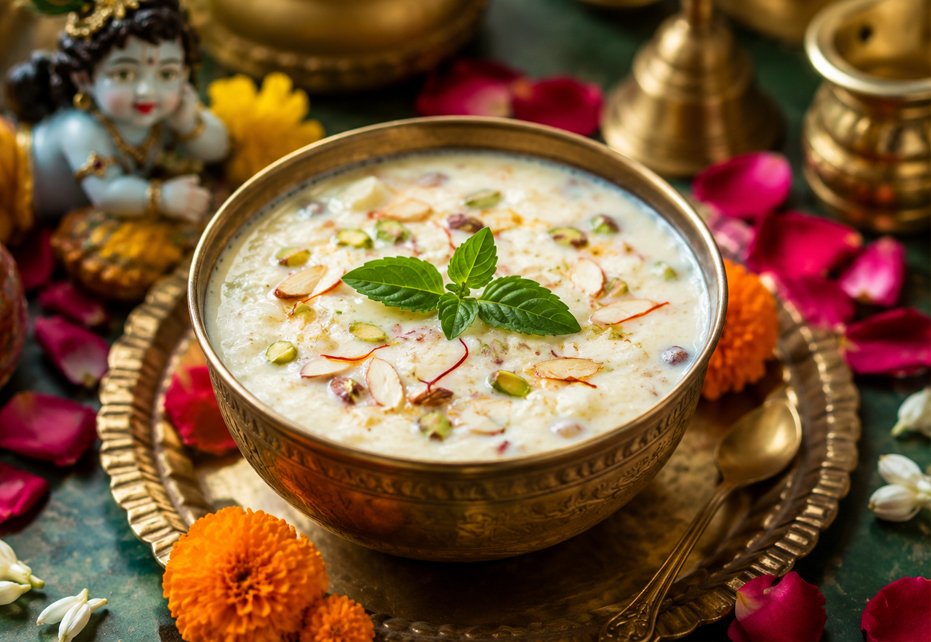
Krishna Special Panchamrit Recipe
Krishna Special Panchamrit Recipe – Traditional Janmashtami Prasad
Krishna Special Panchamrit is a traditional and sacred preparation made with five simple ingredients—milk, curd, honey, sugar, and ghee. It is commonly prepared as prasad during Krishna Janmashtami, puja ceremonies, and other Hindu religious occasions. Creamy, mildly sweet, and refreshing, Panchamrit is easy to make at home and can be prepared within minutes.
The word Panchamrit comes from two Sanskrit words: Panch, meaning five, and Amrit, meaning nectar. Traditionally, the five primary ingredients represent the sacred nature of this preparation.
If you are looking for an easy Krishna Panchamrit recipe for Janmashtami, this guide explains the ingredients, preparation method, traditional variations, serving ideas, storage tips, and frequently asked questions.
What Is Panchamrit?
Panchamrit is a traditional Indian sacred mixture prepared primarily from milk, curd, honey, sugar, and ghee. It is offered to deities during puja and then distributed as prasad.
For Krishna worship, Panchamrit holds a special place because dairy products are closely associated with traditional stories and devotional traditions surrounding Lord Krishna.
Unlike many elaborate festive recipes, Panchamrit requires no cooking. The ingredients are simply combined in the right proportions to create a smooth and mildly sweet mixture.
Krishna Special Panchamrit Ingredients
Here are the ingredients needed for a traditional Panchamrit recipe:
| Ingredient | Quantity |
|---|---|
| Full-fat milk | 1 cup |
| Fresh curd/yogurt | ½ cup |
| Honey | 1 tablespoon |
| Sugar | 1–2 teaspoons |
| Ghee | 1 teaspoon |
| Tulsi leaves | 3–5 leaves, optional |
| Chopped nuts | 1 tablespoon, optional |
Choosing the Ingredients
Milk: Fresh, preferably full-fat milk gives Panchamrit a rich and creamy texture.
Curd: Use fresh, plain curd without added salt or flavors.
Honey: Natural honey provides sweetness and a distinctive flavor.
Sugar: Adjust the quantity according to your preferred sweetness.
Ghee: A small amount of pure ghee adds richness and aroma.
Tulsi: Fresh Tulsi leaves may be added according to family or puja traditions.
How to Make Krishna Special Panchamrit
Step 1: Prepare the Ingredients
Keep the milk and curd fresh and clean. If using chilled milk, allow it to come closer to room temperature before mixing.
Step 2: Combine Milk and Curd
Take a clean bowl and add 1 cup milk and ½ cup fresh curd. Stir gently until they are well combined.
Step 3: Add Honey
Add 1 tablespoon honey and mix gently.
Step 4: Add Sugar
Add 1–2 teaspoons of sugar according to taste. Stir until the sugar dissolves.
Step 5: Add Ghee
Add 1 teaspoon ghee and gently mix it into the Panchamrit.
Step 6: Add Tulsi
If your family tradition includes Tulsi, add a few clean and fresh Tulsi leaves.
Step 7: Add Optional Garnishes
For a richer festive version, you can add finely chopped almonds, cashews, pistachios, or a few strands of saffron.
Step 8: Offer as Prasad
Transfer the Panchamrit to a clean serving bowl and offer it during your Krishna puja or Janmashtami celebration according to your household tradition.
Quick Recipe Card
Recipe Name: Krishna Special Panchamrit
Cuisine: Indian
Category: Prasad / Festive Recipe
Preparation Time: 5 minutes
Cooking Time: None
Total Time: 5 minutes
Servings: 4–5
Ingredients
- 1 cup milk
- ½ cup fresh curd
- 1 tablespoon honey
- 1–2 teaspoons sugar
- 1 teaspoon ghee
- Tulsi leaves, optional
- Chopped nuts, optional
Method
- Add milk and fresh curd to a clean bowl.
- Mix gently until smooth.
- Add honey and sugar.
- Stir until well combined.
- Add ghee and mix gently.
- Add Tulsi leaves if traditionally used.
- Garnish with nuts if desired.
- Serve fresh as prasad.
Traditional Significance of Panchamrit
Panchamrit is more than a sweet dairy preparation. It is traditionally associated with purity, devotion, and auspiciousness.
The five principal ingredients are milk, curd, honey, sugar, and ghee. Different traditions may explain their symbolic significance in different ways, so there is no single universally prescribed interpretation.
During religious ceremonies, Panchamrit is prepared with cleanliness and devotion and offered as part of the puja before being distributed as prasad.
Why Is Panchamrit Special for Krishna Janmashtami?
Krishna Janmashtami celebrates the birth of Lord Krishna and is observed with prayers, devotional singing, fasting, temple visits, and special offerings.
Milk and dairy foods have a particularly strong cultural association with Krishna traditions. This makes milk-based preparations such as Panchamrit a natural choice for many families celebrating Janmashtami.
Panchamrit can be served during the midnight worship associated with Janmashtami or at another time according to local and family customs.
Tips for Making Perfect Panchamrit
1. Use Fresh Ingredients
Since Panchamrit is generally served without cooking, freshness and cleanliness are particularly important.
2. Don’t Add Too Much Ghee
A small amount of ghee is sufficient. Too much can make the mixture excessively rich.
3. Adjust Sweetness
Honey and sugar together provide sweetness. You can reduce the sugar if you prefer a naturally sweeter honey-forward flavor.
4. Mix Gently
Stir the ingredients gently rather than vigorously.
5. Prepare It Fresh
For the best taste and texture, prepare Panchamrit close to serving time.
6. Follow Your Family Tradition
Some families add Tulsi, dry fruits, saffron, or other ingredients. Others keep Panchamrit very simple. Either approach can be appropriate depending on your tradition.
Panchamrit Variations
While the classic recipe uses five ingredients, several regional and family variations are popular.
Dry Fruit Panchamrit
Add finely chopped almonds, cashews, and pistachios for a festive version.
Saffron Panchamrit
Soak a few saffron strands in a small amount of milk before adding them to the mixture.
Tulsi Panchamrit
Add fresh Tulsi leaves when this is part of your family’s religious tradition.
Makhana Panchamrit
A small amount of finely chopped or lightly roasted makhana can be used as a festive variation.
How to Serve Panchamrit
Panchamrit is traditionally served in a clean bowl or small cups after being offered during puja.
For Janmashtami, you can serve it alongside other festive offerings such as:
- Makhan Mishri
- Makhana
- Fruits
- Sabudana preparations
- Singhara atta dishes
- Kheer
- Coconut-based sweets
- Dry fruits
The exact foods served during Janmashtami vary according to regional and family traditions.
Can Panchamrit Be Made Ahead of Time?
It is generally better to prepare Panchamrit shortly before serving because it contains fresh dairy ingredients.
If you need to prepare it slightly in advance, keep it refrigerated in a clean, covered container and serve it promptly. Avoid leaving dairy-based Panchamrit at room temperature for extended periods, particularly in hot weather.
Common Mistakes to Avoid
Using stale curd: Fresh curd gives a cleaner and more pleasant taste.
Adding excessive sugar: Honey already contributes sweetness, so taste before adding more sugar.
Using too much ghee: Excess ghee can make the texture oily.
Preparing too early: Fresh Panchamrit is preferable.
Ignoring hygiene: Since it is commonly served as prasad, use clean utensils and fresh ingredients.
Final Thoughts
Krishna Special Panchamrit Recipe is one of the simplest ways to add a traditional touch to Janmashtami celebrations. Made with just five primary ingredients—milk, curd, honey, sugar, and ghee—it requires almost no preparation time while carrying deep religious and cultural significance.
Whether you prepare it for Krishna Janmashtami, daily puja, a special religious ceremony, or as prasad, the key is to use fresh ingredients, maintain cleanliness, and prepare it according to your family’s traditions.
For a beautiful festive spread, pair freshly prepared Panchamrit with Makhan Mishri, fruits, kheer, and other Janmashtami offerings and celebrate the occasion with devotion and joy.
